Twigby Mobile vs Google Pixel 10: Which Should You Buy?
Category: Mobile Phones
Introduction — my quick take
I've been carrying a Twigby-supplied budget phone alongside a Google Pixel 10 for about six months now, switching between them depending on what I'm doing. What I wanted to learn was simple: can a low-cost Twigby setup cover daily needs well enough to avoid the premium price of the Pixel 10, or is the Pixel still worth the premium for most people? After months of daily use, testing cameras in daylight and low light, juggling battery life on long days, and living with each device's quirks, I'm ready to share the practical differences I experienced and the kind of buyer each device makes sense for.
How I used each phone
My routine mirrored a typical power-user + practicality split. With the Pixel 10 I did most of my content work: taking pictures, editing quick clips, using productivity apps, and multitasking with several background processes. With the Twigby phone I focused on calls, messaging, navigation, light social media, and as a backup for trips where I didn't want to risk damaging the Pixel. I also used the Twigby plan as my everyday cellular connection for a few months to judge coverage and reliability in real-world conditions.
Detailed review and analysis
Design and build
In my experience, the Pixel 10 feels like a premium device the moment you hold it. The metal-and-glass build (or the Pixel's textured finish depending on model) gives it a solid, polished feel that makes it comfortable for extended one-handed use. I noticed that the Pixel's buttons are well-placed and tactile — little things like that matter when you're using a phone constantly.
The Twigby phone I used is unapologetically budget: it has a plastic frame and back that show light wear more easily than the Pixel. That said, the lightweight chassis made it easy to slip into a pocket and not notice on long walks. I appreciated the Twigby phone's practical design — not flashy, but durable enough for daily knocks. One thing that bothered me was a slightly loose volume rocker on my Twigby unit after a couple months of use; it never affected performance but did affect the premium feel.
Display
The Pixel 10's display is noticeably sharper and more color-accurate. I found myself preferring it for reading long articles, photo reviewing, and watching streaming video. It gets bright enough to use outside on sunny days and has a smooth refresh rate that makes animations and scrolling feel fluid.
The Twigby device's display is serviceable for most tasks — clear enough for messaging, maps, and casual video — but blacks aren't as deep and colors can look a touch washed out beside the Pixel. If you watch a lot of HDR content or care deeply about color fidelity, you'll notice the difference immediately.
Performance
With the Pixel 10, apps open quickly and multitasking is smooth. I regularly had multiple apps and browser tabs open without noticeable slowdowns. Gaming at moderate settings ran well, and day-to-day navigation through menus felt snappy. The Pixel also handled background syncing and camera processing without hiccups.
The Twigby phone handles everyday tasks fine — calls, social apps, streaming music, and light navigation — but it does show its budget nature when pushed. Heavy multi-tab browsing and graphics-intensive games brought some stutters. When I pushed it, I noticed longer app launch times and occasional background reloads. For casual users who primarily text, call, and use a few apps, these trade-offs were acceptable and balanced by the lower price.
Battery life and charging
Battery performance was one area where expectations mattered. With the Pixel 10, I could reliably get a full day of heavy use — camera, navigation, messaging, and work tasks — and still have some juice left in the evening. On days with very heavy camera use or when I streamed video for long stretches, I needed a top-up. Charging felt reliable; the Pixel charged steadily and reached a decent level in under an hour with my fast charger, though it never matched the fastest charging I've seen from some other brands.
Looking for the best Mobile Phones deals on Amazon?
View Offers →The Twigby phone surprised me with consistent endurance for light-to-moderate use. It lasted through long days of calls and messaging with some battery left, but under heavy loads it struggled to match the Pixel. Charging speeds were modest; I learned to plan ahead and top it up overnight rather than relying on quick afternoon boosts.
Camera experience
Camera performance is where the Pixel 10 sets itself apart. I was surprised by how well it handled tricky lighting: low-light portraits, backlit scenes, and night shots came out usable and often excellent without fiddling with settings. The software processing on the Pixel does a lot of heavy lifting, producing images with good dynamic range and color balance straight out of the camera. Video stabilization and clarity for handheld clips were also noticeably better, which made the Pixel my go-to for quick content capture.
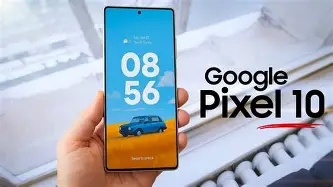
The Twigby phone's camera is functional: it captured decent daylight shots that were good enough for social sharing. In low light or high-contrast scenes, however, images became noisy and lost detail. The automatic modes tended to oversmooth or oversaturate at times. If photography is important to you, the Pixel 10 gives a clearly superior experience; if you primarily use your phone for quick snaps, the Twigby camera will probably do the job.
Software, updates, and long-term support
One of the main reasons I kept returning to the Pixel was software. The Pixel 10's Android experience felt cle…The Twigby phone runs a more basic Android build with some preinstalled carrier apps and a slower cadence for system updates. I noticed security updates arrived less frequently, which is common in budget or carrier-supplied phones. For me, that mattered less when using the Twigby phone as a backup device, but it's something to factor in if you plan to keep the phone for several years.
Network experience and plan value
I've used the Twigby plan for several months. In my area, coverage and call quality were solid for everyday use — calls were clear and data felt reliable for maps and streaming. One advantage of Twigby is its budget-friendly plans that make a lot of sense for light-to-moderate data users. I appreciated that I could get acceptable coverage without a premium monthly bill.
Of course, network experience can vary widely by location. If you need nationwide top-tier coverage in fringe areas, the Pixel paired with certain first-party carrier plans might edge out an MVNO in some places. In my experience, Twigby's value proposition was strong for everyday urban and suburban use.
Pros & Cons
Google Pixel 10
- Pros: Outstanding camera for photos and video; smooth and snappy performance for everyday and power use; premium build and refined design; timely software updates and feature drops; reliable display quality for content consumption.
- Cons: Higher upfront cost; battery can dip on extremely heavy days; no expandable storage; charging speed is good but not class-leading; you pay a premium for the best software and camera experience.
Twigby Mobile (budget handset + plan)
- Pros: Excellent value for money when considering monthly plan and phone cost; solid battery life for light-to-moderate use; practical, lightweight design; simple, no-frills experience that covers calls, texts, and navigation reliably.
- Cons: Camera and display are noticeably behind flagship devices; performance can stutter under heavy loads; slower software/security updates; lower-end materials and occasional build quirks.
Comparison table
| Category | My experience with Twigby phone & plan | My experience with Google Pixel 10 |
|---|---|---|
| Price / Value | I found the combined phone+plan to be very budget-friendly and hard to beat for basic use. | More expensive up front, but you get better hardware, software support, and resale value. |
| Design & Build | Lightweight plastic build that’s practical but shows wear faster. | Premium-feeling materials and fit; comfortable and durable in daily use. |
| Display | Serviceable for messaging and maps; colors can be muted. | Crisp, bright, and color-accurate — great for media and editing on the go. |
| Performance | Good for basic tasks; sluggish when multitasking or gaming hard. | Fast and fluid for multitasking, editing, and heavier apps. |
| Camera | Acceptable for quick social photos in daylight; struggles in low light. | Best-in-class for portraits and low-light photos in my experience. |
| Battery | Consistent for light use; plan your charging under heavy use. | All-day use for most days; occasional top-ups needed on heavy days. |
| Software & Updates | Basic OS with slower updates; some carrier apps preinstalled. | Fast updates, clean software, and useful Pixel-only features. |
| Who it’s for | Budget-conscious users, backup phone buyers, light app users, those who prioritize monthly savings. | Photography enthusiasts, power users, those who want long-term software support. |
Buying guide — how I’d decide if I were in your shoes
When choosing between a Twigby setup and the Pixel 10, I focused on a few practical questions. I recommend you ask the same of yourself and use my notes as a checklist.
1. What do you use your phone for most?
If your phone is primarily for calling, texting, maps, and occasional social posts, the Twigby phone paired with a budget plan is more than adequate. In my experience, it handled these tasks reliably and let me save money. If you take a lot of photos, make short videos, edit on-device, or use intensive apps, the Pixel 10 was consistently more satisfying — the camera and performance made everyday creative tasks easier and faster.
Shop the latest Mobile Phones picks on Amazon.
Shop Amazon →2. How long do you keep phones?
If you keep devices for several years, the Pixel's faster and longer software support matters. I noticed the Pixel gained features and security updates more promptly, which made the phone feel newer longer. If you tend to upgrade frequently or are okay replacing a cheaper device sooner, Twigby's lower cost and lower update cadence may be acceptable.

3. What’s your budget — both upfront and monthly?
Think beyond the sticker price. I found that Twigby saved me money month-to-month while also allowing a lower initial purchase or financing of a modest handset. If you prefer a smaller monthly commitment and don't care about the best camera or fastest processor, Twigby hits the sweet spot. If you value a premium experience and plan to keep the phone for performance and resale value, the Pixel 10 is worth the extra investment in my experience.
4. How important is camera quality?
In my use, camera quality was a decisive factor. The Pixel 10 delivers consistently better photos with less effort. If capturing moments well matters to you, leaning toward the Pixel will reduce frustration. For casual snapshots, Twigby’s camera is fine, but be prepared for inconsistent low-light results.
5. Coverage in your area
I tested the Twigby plan locally and had good results, but coverage varies. Before committing, I recommend checking local reception for any MVNO you're considering and trying a short-term plan if possible. I also checked the Pixel on a couple of carriers and found the experience even more consistent in fringe locations with premium carrier plans.
6. Practical tips based on my experience
- Try to test the Twigby phone in person if you can — hold it, test the screen, and try the camera in your typical lighting to avoid surprises.
- If you choose the Pixel, consider the storage configuration you’ll actually need; I regretted not choosing a larger capacity once I started shooting lots of video.
- For either option, get a slim case and a matte screen protector — the Twigby phone shows scratches more easily; the Pixel benefits from protection without hiding its design.
- For travel or heavy camera days, bring a portable charger. Both phones benefit from top-ups after long sessions of navigation or photography.
Conclusion — which should you buy?
After using both devices for months, here's the bottom line from my experience: buy the Twigby setup if you want a practical, budget-friendly phone and plan that covers the essentials well and keeps monthly costs low. It’s the choice I reached when I wanted to minimize monthly bills and not worry about scuffing an expensive device.
Choose the Google Pixel 10 if you want a consistently superior camera, smoother performance under heavy use, premium build quality, and faster software updates. For me, the Pixel became the daily driver whenever I needed reliable photo quality or a phone that handled many simultaneous tasks without hiccups.
Both choices are perfectly reasonable depending on what matters most to you. In my experience, there isn't a single "best" phone — there's the best phone for how you use it. I personally keep the Pixel 10 on my desk for photo work and heavy tasks, and I carry the Twigby phone when I’m traveling light or want to save on monthly costs. That arrangement gave me the best of both worlds.