The Ultimate Setup Guide for Your Hd 681
Introduction
The Hd 681 is a popular choice among listeners who want high-impact sound without a complicated signal chain. This guide walks through everything a new or prospective owner needs to know to get the best performance from the Hd 681: from initial unboxing and fit adjustments to source pairing, acoustic tuning, and practical maintenance. It also covers real-world use cases — what buyers typically care about — and gives actionable steps so the headphones perform reliably in daily listening, studio, or gaming environments.
Product overview and what to expect
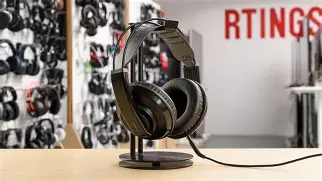
The Hd 681 is an over-ear dynamic headphone that aims to deliver strong low-end response, clear midrange, and an engaging listening experience at modest cost. Buyers typically choose it for punchy bass, comfortable long-wear sessions, and solid value for the money. Common decision factors include comfort, build quality, clarity across frequency ranges, isolation, and how well the headphones pair with common devices such as phones, laptops, and desktop audio interfaces.
What buyers care about — the main considerations most people evaluate when shopping for the Hd 681 are:
- Comfort and fit: ear pad materials, clamping force, and headband padding for extended listening sessions
- Sound signature: whether the headphones are bass-forward, neutral, or bright
- Isolation and leakage: how much external sound they block and how much the headphones leak into a room
- Source compatibility: whether a phone or a dedicated amp/DAC is required to unlock their best performance
- Durability and serviceability: replaceable cables and pads, and how modular the construction is
Detailed review and analysis
Build and fit
Out of the box, the Hd 681 typically comes with a straightforward, functional build. The frame is designed to be lightweight while maintaining durability. Ear cups are circumaural — they sit around the ear rather than pressing on it — which helps with comfort on longer sessions. For many users the stock earpads are comfortable, but swapping pads for thicker or softer materials can improve comfort and slightly alter the tonal balance.
Sound signature and performance
The Hd 681 is often described as having a lively low end with a strong presence in the midrange, making it suited to modern music genres where bass and vocals are prominent. The treble is typically handled cleanly but may be less extended than high-end reference headphones. Soundstage is adequate for general listening and gaming but won’t match the expansive width of high-end open-back models.
Isolation and leakage
These headphones usually offer decent passive isolation thanks to their over-ear design, making them practical for home use and recording-checks where some isolation is necessary. They are not designed for travel-grade noise cancellation, so in noisy environments a dedicated noise-cancelling headphone will outperform them.
Compatibility and source pairing
The Hd 681 is generally easy to drive from most consumer sources — smartphones, tablets, and laptops can deliver usable volume — but pairing with a dedicated DAC or headphone amplifier offers noticeable improvements in dynamics, clarity, and low-frequency control. Users who want more headroom and better transient response should consider a modest desktop amp or a portable DAC/amp combo.
Real-world performance
In practical use, the Hd 681 performs well across a range of scenarios:
Find top-rated Audio & Headphones products at great prices.
See Deals →- Casual listening: Delivers immediate, enjoyable sound for pop, EDM, hip-hop, and rock — genres that benefit from impactful bass.
- Gaming: Provides good localization for on-screen action due to clear mids and punchy bass, though extreme positional accuracy is limited compared to open-back gaming headphones.
- Content creation and monitoring: Suitable for rough mixes and reference listening; creators who need precise mixing tools should treat it as a secondary check rather than the final monitoring reference.
- Long sessions: Comfort is generally favorable, but users with sensitivity to clamp force may consider pad or headband mods.
Setup checklist: step-by-step
Follow these steps for a straightforward, effective Hd 681 setup.
1. Inspect and prepare
- Unpack carefully and check that cable(s), adapters, and documentation are present.
- Examine ear pads and joints for any shipping defects. Ensure the cable jack is secure and the connector fits the headphone properly.
2. Break-in and first listening
Many dynamic headphones benefit from a break-in period of 20–100 hours of varied music at moderate volumes. During this period the sound may loosen up — bass can feel tighter and treble can smooth. Use a mix of genres during break-in to let drivers settle across frequencies.
3. Source and cabling
- Start with the intended primary source (phone, laptop, DAC, amp). If maximum clarity and dynamics are desired, introduce…
5. EQ and tuning
Subtle EQ can tailor the Hd 681 to specific tastes or correct room/source coloration. For common adjustments, see the tuning section below.
Practical acoustic tuning tips
EQ can be an effective tool when used sparingly.
- To tighten bass: Reduce a narrow band around 60–120 Hz by 1–3 dB if the low end feels bloated.
- To enhance vocal clarity: Slightly boost 1–3 kHz by 1–2 dB, which brings presence forward without harshness.
- To reduce sibilance: Attenuate 5–8 kHz in a narrow band if sibilant sounds become unpleasant at high volumes.
- Genre presets: Pop/EDM benefits from gentle bass shelf; acoustic and classical benefit from a flatter curve with a modest high-frequency lift.
Pros & Cons
- Pros:
- Engaging, bass-forward presentation that suits modern music
- Comfortable for long listening sessions with over-ear design
- Good value for performance — solid sound without a complex setup
- Decent passive isolation for home and studio-check use
- Simple signal chain: performs well from common consumer sources
- Cons:
- Not the most neutral option for precise mixing or mastering
- Soundstage narrower than higher-end open-back headphones
- May benefit noticeably from an external amp/DAC to reach full potential
- Stock pads or clamp force may not suit everyone — replacement pads may be desirable
Comparison table: Hd 681 vs. common alternatives
Feature Hd 681 Open-back reference headphones Closed-back studio monitors Sound signature Punchy bass, mid-forward, pleasant highs Neutral, wide soundstage, airy treble Controlled, tight low end, less spacious Isolation Moderate passive isolation Low (leaky) High Best for Casual listening, gaming, rough monitoring Critical listening, mixing, home listening in quiet rooms Tracking, noisy environments, situations where isolation is needed Portability Moderately portable Less portable (fragile pads, leaks) Moderate to portable (depends on size) Source requirement Phone/laptop OK; benefits from amp/DAC Often needs better amp to reveal detail Works well from interfaces/amps designed for studio use Buying guide: what to check before purchasing
When considering the Hd 681, buyers should evaluate the following points to ensure the headphones match their needs.
1. Fit and comfort
- Confirm earcup size and pad material. If possible, try on similar circumaural headphones to assess clamping force and heat buildup over time.
- Look for replaceable pads if long-term comfort or hygiene is a priority.
2. Intended use
- Casual listeners and gamers will likely be satisfied without additional gear.
- Content creators and audiophiles who need flat, analytical sound should audition the headphones first and plan for a secondary reference if precise mixing is required.
3. Source compatibility
- Check whether the headphone’s impedance and sensitivity pair well with the intended source. If the source is a smartphone and the headphones feel underpowered or lack dynamics, budget DAC/amp options should be considered.
4. Accessories and service
- Verify whether cables are detachable and the availability of spare parts (pads/cables) from third parties.
- Check warranty coverage and return policy in case of fit or sonic mismatch.
5. Audition tracks
Bring a short, varied playlist when auditioning: one vocal-forward acoustic track, one bass-heavy electronic track, and one complex orchestral piece. These will reveal how the Hd 681 handles different frequency demands and transient content.
Looking for the best Audio & Headphones deals on Amazon?
Shop Amazon →Maintenance, mods, and upgrade path
Simple care will extend the life and performance of the Hd 681:
- Wipe pads and headband with a soft, slightly damp cloth. Avoid soaking and never submerge drivers.
- Store in a dry, dust-free place. A padded case helps prevent clamp creep and pad deformation.
- Replace earpads after heavy use — this refreshes comfort and can subtly restore tonal balance.
- Consider modest mods: thicker earpads for improved comfort and a different tonal balance, or a higher-grade cable for lower noise and better durability.
Common troubleshooting and FAQs
No sound or low volume
Check cable seating, try a different source, and confirm the headphone jack on the source is functioning. If one side is silent, test another cable (if detachable) or another device to isolate the issue.
Harsh treble or sibilance
Use a gentle EQ cut around the 5–8 kHz band, reduce listening volume, and evaluate whether room reflections or the source recording contribute to the perceived harshness.
Loose fit or excessive clamp
Try different earpads or gently stretch the headband over a rounded object for several hours to reduce clamping force. Conversely, thicker pads can reduce perceived clamp by increasing cushioning.
Conclusion
The Hd 681 represents a pragmatic balance between performance, comfort, and value. For listeners who favor engaging, bass-rich playback and want a headphone that performs well straight out of consumer devices, it is a solid choice. Audiophiles and professionals who require surgical neutrality may look elsewhere or use the Hd 681 as a complementary reference. By following the setup steps in this guide — checking fit, pairing with an appropriate source, considering light EQ, and maintaining the headphones — owners can extract satisfying, reliable performance across listening, gaming, and content-creation scenarios.