Sennheiser Gsp 600 Honest Review — Is the Hype Justified?
I've been using the Sennheiser GSP 600 as my primary headset for several months now, across long gaming sessions, voice calls, and music listening. There was a lot of buzz around this model when I bought it: promises of studio-grade audio, pro-level microphone clarity, and indestructible build quality. In this review I want to share my real-world experience — what I loved, what frustrated me, and whether the hype is worth your money.
Introduction — Why I bought the GSP 600
I'll be honest: I bought the GSP 600 because I wanted a headset that would do more than "sound good for a gaming headset." I wanted accuracy, comfort for marathon sessions, and a microphone that actually made my voice sound like my voice. Price was high compared to many mainstream gaming headsets, so after months of use I can tell you whether that extra cost translated to meaningful benefits.
First impressions and unboxing
Out of the box, the GSP 600 immediately communicates "built to last." The packaging is minimal and functional, and the headset itself feels dense and solid in a way that cheap plastics never do. The metal-reinforced headband, the thick memory-foam ear pads covered in velour, and the large, closed-back ear cups all point to durability and noise isolation. It is heavier than most of the other headsets I’ve owned, and that weight is noticeable at first — but not necessarily unpleasant.
Build quality and comfort
In my experience, the GSP 600 is one of the best-built headsets in its class. The headband is steel-reinforced with a thick foam pad that distributes pressure across the top of my head. The adjustment mechanism is smooth and solid — it doesn't slip during use. Sennheiser chose velour for the ear pads, and I appreciated that decision: they're breathable and comfortable for long sessions, and they don't make my ears sweat like synthetic leather pads sometimes do.
That said, a few nuances are worth calling out. The headset has significant clamping force out of the box. I noticed during the first few hours that it felt quite tight, especially around the temples. After a week of regular use the clamping relaxed a bit — likely due to the headband breaking in — but if you prefer a very loose fit, this may be uncomfortable for you. Also, because of the headset's weight, I occasionally felt pressure on my neck when leaning forward during long streaming sessions. Overall comfort is very good for long gaming or work sessions, but it isn't the lightest option available.
Microphone: clarity, noise rejection, and usability
The mic on the GSP 600 is a standout for me. I've used it in Discord calls, team comms in competitive games, and interviews, and what I found was consistently clean and natural vocal reproduction. The mic has a clear midrange presence — my teammates commented that my voice sounded less "boxed-in" than it does on cheaper headsets.
Noise rejection is effective too. In my environment with an occasional loud HVAC kick-in and background chatter from the room next door, the GSP 600's microphone kept my voice front and center while minimizing ambient noise. The boom is flexible and holds position well, which helped me point the capsule optimally without fiddling mid-game.
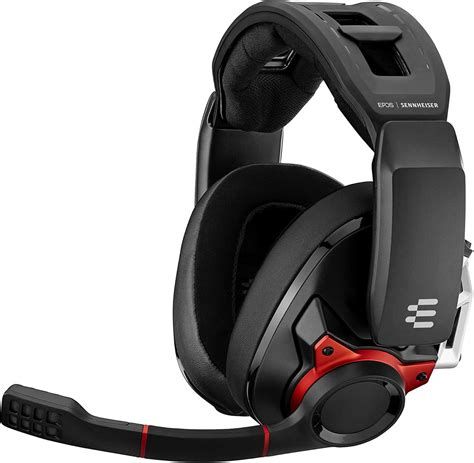
One small annoyance: there isn't a fancy detachable wireless dongle or quick-swap mic capsule. The boom is fixed, which is absolutely fine for home use but makes the headset less modular than some competitors. Also, if you flip the boom out of position while adjusting the headset, you'll need to reposition it to get the same vocal tone again — the mic's pickup is relatively directional.
Looking for the best Audio & Headphones deals on Amazon?
See Deals →Sound performance — games, music, and movies
Sound is, of course, the most important piece. After testing the GSP 600 across a variety of games (competitive shooters, open-world titles), music genres (acoustic, electronic, orchestral), and movies, here’s what I observed.
- Bass: The low end is tight and well-controlled. It doesn't go for the exaggerated "boom" many gaming headsets push, which I appreciated. Explosions and bass-heavy effects have weight, but they never bleed into the mids. In music, EDM and hip-hop have presence without feeling loose.
- Mids: The midrange is the headset's strength. Vocals and instrument detail are natural and forward, which makes in-game dialog and character voices more intelligible. For competitive games, footsteps and gunfire feel well-separated from ambient noise.
- Highs: Highs are detailed without being harsh. I noticed crisp cymbals and environmental cues without excessive sibilance, though occasionally complex, bright tracks revealed a bit less air than on open-back reference headphones.
- Imaging & positioning: For a closed-back headset, the GSP 600's positioning is excellent. I found directional cues to be accurate — important in competitive shooters. Soundstage isn't as wide as open-back headphones, but for closed-back gaming headsets it's among the better performers.
In short, Sennheiser tuned this headset towards accuracy and clarity rather than theatrical bass. I was surprised by how useful that was in everyday gaming — callouts cut through and environmental sounds remain distinct. For music listeners who want a neutral or studio-like signature, the GSP 600 is very satisfying. If you want chest-thumping bass as your priority, you might feel it's a bit restrained.
Isolation and usability in noisy environments
The closed-back design provides solid passive isolation. In my apartment, noisy hallway traffic and backg…Durability and long-term impressions
After months of use, the GSP 600 still looks and performs like new. The metal elements show no signs of fatigue, the ear pads remain plush, and the headband hasn't developed any unwanted creaks. I did find the velour pads attract dust and pet hair more than leatherette pads would, so expect some occasional cleaning.
The cable feels robust, and the connectors have been trouble-free. If you prioritize longevity, this headset gives you confidence that it will last a long time.
What I didn’t like — real annoyances
No product is perfect. Here are specific disappointments I noticed:
- I found the initial clamping force too strong for the first several days — it took a break-in period to become comfortable.
- The headset is heavy compared to many modern designs. While that's part of its sturdy character, some users will find it tiring over very long, seated streams where neck pressure becomes noticeable.
- It's wired and lacks modularity — no detachable mic or easy wireless option. If you move between home and mobile use frequently, this is less convenient than a detachable, travel-friendly headset.
- Velour pads are not as isolating as leatherette in terms of external noise and do accumulate fibers and dust.
Comparison — How the GSP 600 stacks up
I think a comparison table is useful here. I'm comparing the GSP 600 to two types of headsets I own or have used extensively: a more open, comfort-focused Sennheiser-style gaming headset and a mainstream, inexpensive gaming favorite. These comparisons are subjective and based on my months of use.
Discover deals on Audio & Headphones — updated daily.
See Deals →| Feature | Sennheiser GSP 600 (my experience) | Comfort-focused gaming headset (e.g., lighter Sennheiser models) | Budget gaming headset (e.g., mainstream cloud-style) |
|---|---|---|---|
| Sound signature | Neutral / detailed mids, tight bass, accurate highs | Warmer, more relaxed tuning for comfort | V-shaped (boosted bass & treble) |
| Mic quality | Very clear, natural, good noise rejection | Good, but less focused than GSP 600 | Acceptable, often tinny or processed |
| Build quality | Robust, metal-reinforced, heavy | Good, lighter plastics | Mostly plastic, less durable |
| Comfort | Very comfortable after break-in; heavier overall | Often more comfortable for long lounging sessions | Comfortable initially but pads degrade faster |
| Price | Premium / high | Premium to mid | Budget-friendly |
| Best use | Competitive gaming, critical listening, streaming | Long, casual sessions; open soundstage preference | Casual gaming on budget |
Pros & Cons
- Pros
- Excellent, natural-sounding microphone — one of the best I've used in a headset
- Accurate, balanced sound with strong mids and controlled bass
- Solid, durable build quality — metal-reinforced headband and robust connectors
- Comfortable velour ear pads for long sessions (after initial break-in)
- Good passive isolation for a closed-back design
- Cons
- Heavy and relatively high clamping force initially
- Wired only and not modular — no detachable mic or wireless option
- Velour pads attract dust and pet hair more than leatherette
- Premium price — you are paying for build and mic quality
Buying guide — Is the GSP 600 right for you?
If you’re considering the GSP 600, ask yourself these questions based on my experience.
Who should consider it?
- If you prioritize microphone clarity — streamers, podcasters, or players in competitive teams will appreciate the mic quality.
- If you want a durable headset that can handle daily use without creaks, rattles, or fragile plastic parts.
- If you prefer sound accuracy over the exaggerated bass of many gaming headsets — this is a headset for listening critically and for in-game positional cues.
Who should look elsewhere?
- If you need a lightweight travel headset or something ultra-portable — the GSP 600 is bulky and wired.
- If you want the most bass-heavy experience for movies or EDM — the GSP 600 keeps bass under control, which some people perceive as too restrained.
- If detachable mics or wireless connectivity are must-haves for your workflow, consider other options.
Practical tips before buying
- Plan for a short break-in period. The headset loosens up and becomes more comfortable after a week of regular use.
- Think about where you'll use it. The passive isolation is good, but the velour pads mean it’s not ideal if you want perfect silence from outside noise.
- Check your platform compatibility. The GSP 600 is wired; make sure your platform accepts standard headset jacks or adapters before buying.
- Consider pad replacement options if you tend to sweat during long sessions — velour feels great, but you may want leatherette for easier cleaning depending on your environment.
Setup and tweaks I recommend
Out of habit, I tried the headset straight away and then spent some time tuning it. A few things helped:
- Run a mild EQ if you want more "slam" on explosions — a slight boost around 80–120 Hz will add perceived weight without making the sound sloppy.
- For voice calls, position the boom about 1–2 cm from the corner of your mouth and slightly off-axis — that produced the most natural tone for me.
- Use your operating system or sound card's sample rate settings at default (44.1 or 48 kHz) — there was no benefit for me from pushing to higher sample rates unless using an external DAC/AMP.
Final thoughts and conclusion
After several months with the Sennheiser GSP 600, what I found was a headset that delivers on the promises that matter: superb microphone clarity, balanced and accurate sound, and a build that feels like it will outlast many cheaper competitors. The realism and midrange accuracy made games more immersive and team communication more effective. For someone who streams, records, or plays competitively, that combination is valuable.
That said, the headset isn't perfect. The weight and initial clamping force are real considerations, and the wired, non-modular design reduces flexibility compared with some modern headsets. You also pay a premium for these strengths.
In my experience, if you want long-term durability, a top-tier headset mic, and sound that favors accuracy over hype, the GSP 600 is worth serious consideration. If your priorities are portability, ultra-lightweight comfort, or the deepest bass possible, you'll find better matches elsewhere. For my day-to-day use — long multiplayer sessions, streaming, and the occasional studio-style listening — the GSP 600 has been a reliable, satisfying companion.