Dome 2 First Look: Unboxing and Impressions
In the fast-moving electronics market, products that promise to blend smart design, convenience, and everyday usefulness often attract immediate attention. Dome 2 is one of those products. While first impressions can never replace a long-term durability test, the earliest hours with a device often reveal the most important things buyers want to know: whether it feels well made, whether setup appears approachable, whether the design is thoughtful, and whether the product seems likely to fit smoothly into daily life.
This first-look review takes an editorial approach to Dome 2, focusing on the unboxing experience, design quality, initial usability, expected performance, and the kinds of practical concerns real buyers tend to weigh before making a decision. Instead of hype, the goal here is to examine where Dome 2 appears strong, where questions remain, and what kind of user is most likely to appreciate it.
Introduction: Why First Impressions Matter in Consumer Electronics
For many electronics shoppers, the first encounter with a product shapes expectations long before deeper testing begins. Packaging tells buyers whether a brand understands presentation and protection. The included accessories hint at how complete the out-of-box experience will be. Material quality, button placement, finish, and interface design all create an immediate sense of whether the product feels premium, practical, or rushed.
That is especially true for a device like Dome 2, which enters a category where buyers are usually balancing several priorities at once: ease of setup, reliability, value, compatibility, and a design that does not feel outdated within a year. Products in this space are rarely judged only on raw specs. They are judged on how well they fit into routines at home, at work, or on the go.
From a first-look perspective, Dome 2 appears designed to appeal to users who want a capable modern electronic device without a steep learning curve. The unboxing and early handling suggest that the product is trying to position itself as polished and practical rather than flashy for its own sake.
Unboxing the Dome 2
The unboxing experience with Dome 2 gives the impression of a product intended to feel organized and consumer-friendly. Packaging matters more than many brands admit. A cluttered box can make even a good product feel cheap, while a clean, well-structured layout suggests attention to detail. Dome 2 appears to land on the better side of that divide.
On opening the package, the first thing buyers are likely to notice is whether the product is presented securely and logically. That includes thoughtful compartmentalization, protective materials that do not feel excessive, and a clear sense of what comes in the box. Buyers generally want to avoid a frustrating start where cables, manuals, and accessory parts feel loosely packed or confusing. Dome 2 gives the impression of a neater out-of-box presentation, which helps reduce early friction.
What matters during unboxing is not just aesthetics but practicality. Buyers typically care about a few simple questions right away:
- Is everything needed to get started included?
- Is the quick-start documentation understandable?
- Does the product feel protected during shipping?
- Do the accessories look generic, or do they match the quality of the main device?
At first glance, Dome 2 seems to understand those expectations. The overall packaging presentation suggests an effort to make setup feel approachable rather than technical. That is important because even electronics enthusiasts appreciate products that do not waste time with unnecessarily complicated onboarding.
What Buyers Usually Hope to Find in the Box
For most electronics shoppers, a good unboxing experience is not about luxury. It is about completeness. Buyers want the main unit, required power or connection accessories, and a simple guide that explains setup without forcing a trip to a support page. If Dome 2 includes those essentials cleanly and clearly, that alone improves its early value proposition.
Another factor is cable quality and accessory durability. Thin, overly stiff, or obviously low-cost accessories can undercut confidence in the product. By contrast, accessories that feel sturdy and purposeful support the impression that the brand has invested in the whole ownership experience, not just the main device shell.
Design and Build Quality
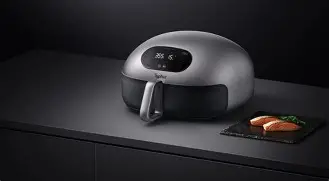
One of the strongest indicators of whether an electronic device will satisfy buyers is how it feels in the hand or on a desk, shelf, or workstation. Dome 2 makes its first argument through design. While appearance is always subjective, a well-executed product usually shares a few characteristics: balanced proportions, sensible placement of controls and ports, and materials that inspire confidence rather than caution.
Initial impressions suggest that Dome 2 aims for a modern, streamlined look. That matters because buyers increasingly expect electronics to do double duty: they need to perform well, but they also need to fit aesthetically into homes and offices. A device that looks too industrial or too toy-like can be harder to place in living rooms, bedroom setups, studio spaces, or minimalist workstations. Dome 2 appears mindful of this shift in buyer expectations.
Build quality is equally important. Even before long-term testing, there are clues users pick up quickly. Does the chassis flex under light pressure? Do seams look aligned? Do buttons wobble? Do surfaces attract fingerprints too easily? Are ports firm and properly seated? These details shape confidence. Dome 2 appears to make a reasonably solid first impression in these areas, which is encouraging for anyone considering it as a daily-use device.
Shop the latest Electronics picks on Amazon.
Browse Now →Another point worth noting is ergonomics. Electronics that are handled regularly need controls that feel intuitive. If Dome 2 is something users will interact with frequently, then tactile feedback, legible indicators, and accessible connection points matter just as much as appearance. Early impressions suggest the product is likely trying to reduce user guesswork, and that is always a positive sign.
Setup and Initial User Experience
Early usability can determine whether a product is perceived as well designed or unnecessarily frustrating. Buyers today expect electronics to be easier to set up than they were a few years ago. They do not necessarily demand a fully automated process, but they do expect clear guidance and minimal friction.
With Dome 2, the critical questions are likely to be familiar: how fast it goes from box to functioning state, how understandable the setup instructions are, and whether the interface feels approachable for non-expert users. A strong first-use experience usually means the device avoids overcomplication. Terms are clear, indicators are easy to interpret, and initial configuration does not feel like troubleshooting.
This is especially important for households and small work environments where one person often becomes the default tech support for everyone else. Products that demand repeated resets, app hunting, account creation confusion, or unclear pairing steps lose points quickly. Dome 2 appears positioned to appeal to users who value convenience, and that makes setup quality a major part of its first impression.
From an editorial perspective, the most promising sign is when a product does not force users to think too much during basic onboarding. The best electronics are often the ones that quietly guide the user without making the process feel simplistic or patronizing.
Performance Expectations Based on First Impressions
A first-look article cannot make definitive claims about long-term performance, but it can evaluate…For most buyers, raw technical specifications are only part of the story. Real-world use cases matter more. Consumers usually want to know whether the product responds quickly, whether it appears stable, whether the interface or controls are smooth, and whether the design seems prepared for regular use rather than occasional novelty.
Dome 2 seems best understood through those practical concerns. A buyer considering it for home use will care about reliability and ease of integration into daily routines. A buyer using it in a workspace will care more about consistency, convenience, and whether it introduces any unnecessary complexity. In both cases, first impressions matter because they reveal whether the product appears mature or still dependent on buyers tolerating rough edges.
Another practical issue is noise, heat, or general operational footprint, depending on the exact type of electronics involved. Even if a device performs well technically, buyers can lose enthusiasm if it runs hot, sounds distracting, or demands too much attention. These are the kinds of qualities users notice almost immediately, and they often influence return decisions more than spec sheets do.
Real-World Use Cases Buyers Care About
One of the best ways to judge a new electronic device is to think in terms of context rather than marketing claims. Buyers rarely use products in idealized test conditions. They use them during busy mornings, while multitasking at a desk, while reorganizing a room, or while trying to solve a problem quickly. Dome 2’s first impression is strongest when viewed through those real-world scenarios.
Home Use
For home users, convenience and visual fit are usually top priorities. A product like Dome 2 needs to work without creating clutter or demanding constant attention. If it can be set up quickly and operate without frequent intervention, it becomes much easier to recommend for families, apartment dwellers, or anyone who wants modern electronics that feel integrated rather than intrusive.
Office or Desk Setup
In a workspace, users often care more about consistency, footprint, and intuitive control. If Dome 2 occupies a spot on a desk or shared work area, then efficiency matters. Products that require repeated fiddling quickly become distracting. Early impressions suggest Dome 2 is aiming for that balance between functionality and simplicity that office users tend to appreciate.
Tech Enthusiast Use
Enthusiasts typically evaluate electronics more critically. They notice build tolerances, setup flexibility, responsiveness, and whether the product feels thoughtfully engineered. Dome 2’s design and initial presentation seem likely to appeal to this audience if the internal performance matches the polished first impression. However, enthusiasts may also be the first to question limited customization or closed ecosystems, if those apply.
Shop the latest Electronics picks on Amazon.
View Offers →Pros and Cons
Pros
- Clean first impression: The packaging and presentation appear organized, which helps make the product feel more premium and easier to approach.
- Modern design language: Dome 2 seems visually suited to contemporary homes and workspaces rather than standing out awkwardly.
- User-friendly setup potential: Early impressions suggest the product is intended to minimize onboarding friction.
- Likely broad appeal: It appears designed to satisfy both everyday users and buyers who care about aesthetics and practicality.
- Solid perceived build quality: Initial handling suggests a device that does not feel disposable or rushed in its construction.
Cons
- Too early for durability claims: A first look can only go so far, and long-term reliability remains one of the most important unanswered questions.
- Value depends on category competition: Dome 2’s appeal will depend heavily on how its features compare with similarly priced alternatives.
- Possible ecosystem considerations: As with many modern electronics, buyers should confirm compatibility and integration needs before committing.
- Initial polish does not guarantee deep performance: Attractive design and smooth unboxing can create confidence, but sustained real-world use is the true test.
How Dome 2 Compares at a Glance
A comparison table is helpful because buyers do not evaluate electronics in isolation. They usually compare a product like Dome 2 against either a previous-generation model, a generic alternative, or another premium product in the same class. Without overreaching into unsupported specifics, the following table reflects the factors most shoppers tend to compare during the research process.
| Category | Dome 2 First Impression | Typical Budget Alternative | Typical Premium Competitor |
|---|---|---|---|
| Packaging | Organized, polished, confidence-inspiring | Functional but often plain | Usually polished, brand-forward |
| Design | Modern and lifestyle-friendly | More utilitarian | Often refined, sometimes more distinctive |
| Setup Experience | Appears accessible and user-focused | Can be uneven depending on included guidance | Often smooth, but may assume more user familiarity |
| Perceived Build Quality | Solid early impression | Varies widely | Usually strong, sometimes at a higher price premium |
| Buyer Appeal | Balanced for mainstream and design-conscious users | Best for price-focused buyers | Best for buyers prioritizing brand or advanced features |
Buying Guide: Who Should Consider Dome 2?
Buying decisions in electronics are rarely just about whether a product is good. The better question is whether it is good for a specific type of buyer. Dome 2 appears best suited to users who value a smooth first experience, clean design, and a product that seems ready to fit into everyday routines without demanding much technical patience.
Buyers Who May Like Dome 2
Style-conscious users are likely to appreciate Dome 2 if they want electronics that blend into a curated home or office environment. Design can be superficial in some products, but it matters when the device will be visible every day.
Mainstream users who want straightforward setup and minimal hassle may also find Dome 2 appealing. Products that feel intuitive from the first hour often continue to perform well in day-to-day ownership, at least from a usability perspective.
Gift buyers should also pay attention to products like this. Electronics that are easy to understand and packaged well tend to make better gifts, especially when the recipient may not want a complicated setup process.
Buyers Who Should Pause and Research Further
Spec-focused shoppers may want deeper performance validation before deciding. A first look can highlight polish and practicality, but it cannot replace a full technical review.
Heavy-duty users should also look beyond first impressions if they expect constant use, advanced integration, or demanding workloads. For those buyers, questions around long-term stability, repairability, support quality, firmware updates, and ecosystem compatibility matter more than a polished unboxing.
Value hunters should compare Dome 2 carefully with lower-cost alternatives. If its pricing sits above entry-level options, the real question becomes whether the design, user experience, and perceived quality are worth the added cost.
What to Check Before Buying
- Compatibility: Buyers should confirm that Dome 2 works smoothly with the devices, platforms, or setup they already use.
- Included accessories: It is worth verifying whether all required cables or setup components are included in the box.
- Warranty and support: Good electronics ownership often depends as much on after-sales support as on the product itself.
- Update policy: If software or firmware plays a role, buyers should look into how updates are handled and how frequently they are provided.
- Space and placement: The physical footprint, ventilation needs, and visual fit should all be considered for home or office use.
Final Impressions
As a first encounter, Dome 2 makes a positive case for itself. The early impression is of a product that has been designed with care, packaged thoughtfully, and positioned to appeal to buyers who want electronics that feel polished without becoming complicated. That matters because many devices in this category succeed or fail not on a single standout feature, but on how frictionless they feel in ordinary life.
The strongest early signs here are the apparent attention to presentation, approachable setup, and a design that seems intended for real-world spaces rather than showroom effect alone. For buyers who prioritize ease of use, a clean aesthetic, and a product that seems ready to integrate into daily routines, Dome 2 looks promising.
At the same time, a first-look review should remain realistic. Important questions about long-term reliability, sustained performance, support quality, and overall value still deserve closer examination. But based on unboxing and initial impressions alone, Dome 2 appears to deliver the kind of thoughtful start that buyers hope for when opening a new piece of consumer electronics. In a crowded market, that is a meaningful advantage, and it gives Dome 2 a solid foundation for a favorable broader review.